
I was recently reminded of the following witticism of how an important piece of work wasn’t completed:
“This is a little story about four people named Everybody, Somebody, Anybody, and Nobody.
There was an important job to be done and Everybody was sure that Somebody would do it.
Anybody could have done it, but Nobody did it.
Somebody got angry about that because it was Everybody’s job.
Everybody thought that Anybody could do it, but Nobody realized that Everybody wouldn’t do it.
It ended up that Everybody blamed Somebody when Nobody did what Anybody could have done”
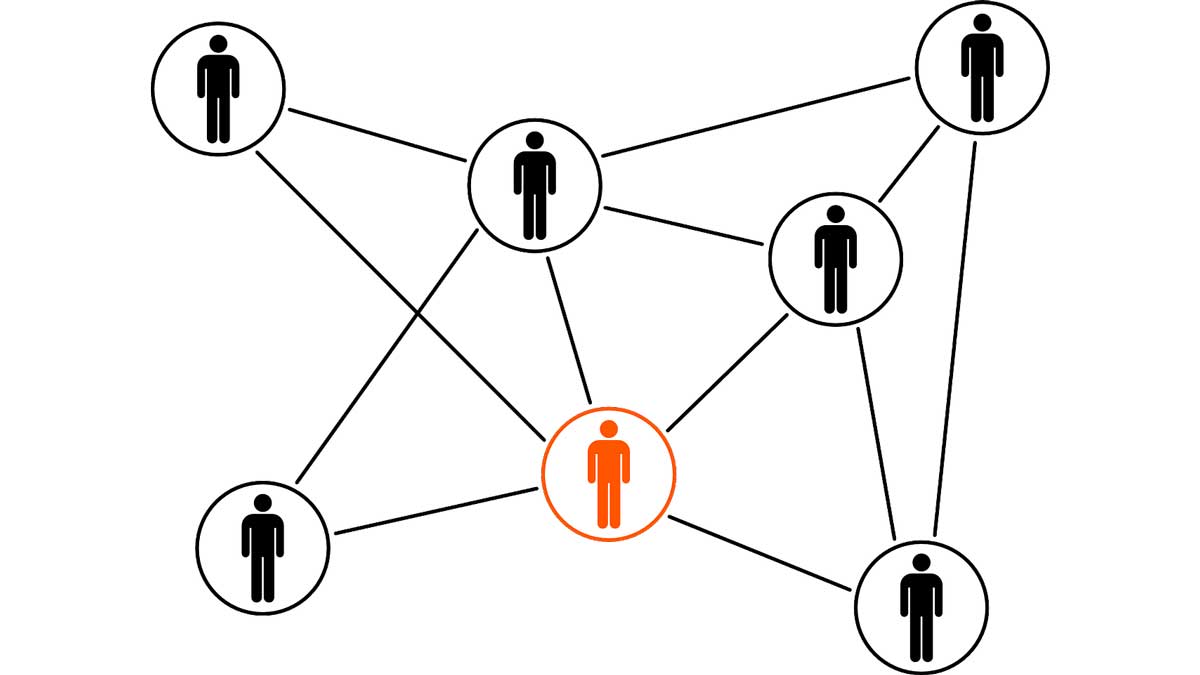
When reading this you feel for the manager who is trying to get this important piece of work done. This could have been avoided if the RACI accountability model (Responsible, Accountable, Consult and Inform) was used.
The manager should have made it clear who has responsibility for the task(s) as well as taking accountability for how to ensure the work is done. Had this happened effectively there may well have been a plan with some checkpoint reports and deliverables tracked (although I think the wittiness would be lost).
In addition to the manager’s accountability it may not be clear from an organisation’s perspective who has the accountability for this task. Too many times I’ve witnessed organisational inefficiency as key accountabilities are either unnecessarily shared or unclear. If the accountability is shared it means that it will nearly always need detailed consultation and compromise from inception through to outcome and maintenance. Worse still, if accountability is unclear then either no one takes accountability or duplication. Ultimately, it means that the purpose of a department is unclear and that they cannot have full responsibility for achieving their KPIs.
This limited understanding of an organisation’s accountability hierarchy may lead to some of the following traits:
- Requirement for many meetings to agree decisions
- A significant amount of roles that require an ability to influence over an ability to decide
- Individuals unable to affect efficient and quick change, whether these are small or large changes
- High level of turnover in critical roles with less than a year’s service
- Likely to not be in the upper quartile on benchmarked KPIs e.g. ratio of back office staff to number of employees within specific sector
If these traits are beginning to resonate my recommendation is to do an organisation analysis. Some of the critical questions to be asked are as follows:
- Is it clear what the purpose of the organisation and its departments are?
- How effectively does the organisation manage and adapt to change?
- Are processes clear with minimal handoffs to other teams?
- What is the most significant issue affecting staff and managers?
- Why are people leaving the organisation or department?
For more information please contact Nicole Gee.